
OSHA’s Fatal Four Part 1: Falls

Back in October of 2016, the Occupational Safety and Health Administration (OSHA) released a preliminary list of the ten most frequently cited safety and health violations for the fiscal year. The data was compiled from nearly 32,000 inspections of workplaces by federal OSHA staff. On the OSHA blog, where they first reported the list, OSHA […]
SAFELY OPERATING AND WORKING AROUND HEAVY EQUIPMENT

Heavy equipment designed to handle large loads can be dangerous if not operated properly. Operators need to remain alert and know how to properly use the equipment, while bystanders should be aware of their surroundings. OPERATOR TIPS • Only operate the equipment if you’ve been trained • Check the brakes and other controls prior to […]
Risk Transfer: Subcontractor Agreements & Insurance Verification

Risk Transfer: Subcontractor Agreements & Insurance Verification The purpose of a good subcontractor agreement is to spell out the responsibilities and transfer risk to the appropriate party. A good Risk Transfer preserves your assets, including your insurance limits. Here are some best practices you may want to consider for a successful Risk Transfer. 1. Have […]
Contractors get ready for OSHA’s New Silica Rule

OSHA’s new silica standard for construction went into effect on Sept. 23. Contractors who engage in activities that create silica dust (respirable crystalline silica) such as by cutting, grinding or blasting materials like concrete, stone and brick, must meet a stricter standard for how much of that dust workers inhale. The same goes for subcontractors or […]
Safety: Ergonomics
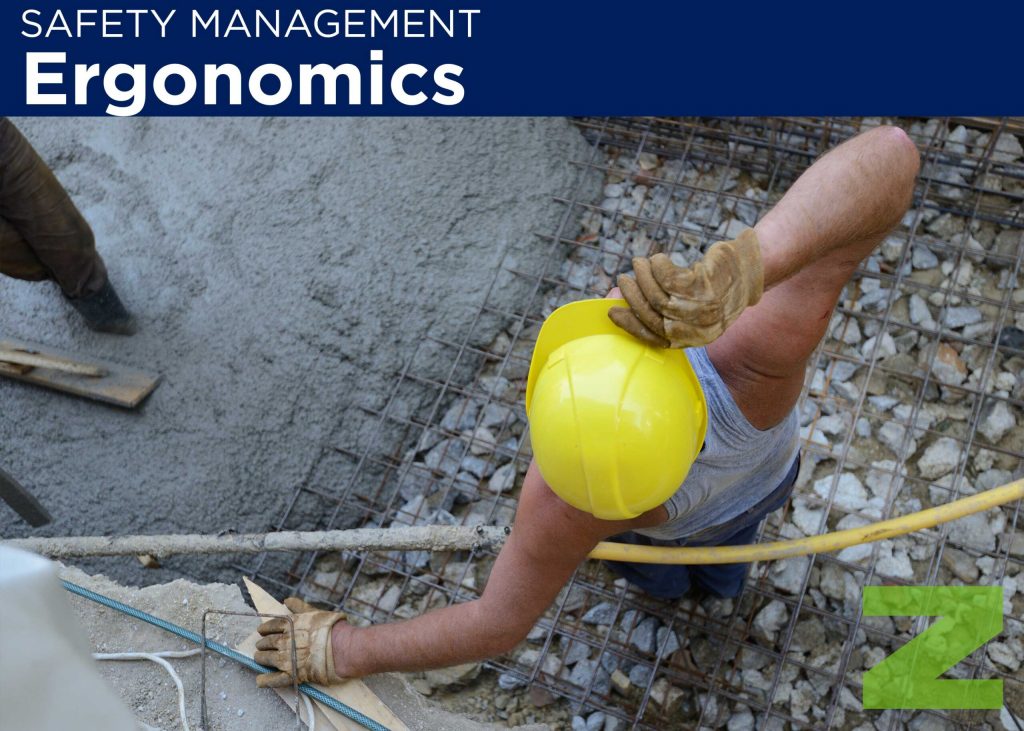
Ergonomics is an easy-to-overlook topic, but it’s a vital one. Repetitive motion and lifting injuries can sneak up on even the most safety-focused business. The good news is that these injuries are also of the easiest to prevent through a bit of employee education.
Safety: Prepare for Active Shooters

Without a doubt, this is many people’s worst nightmare. While we all hope it never happens, be sure you and your employees are doing what you can to prevent violent situations in the workplace – and know how to react if one does occur. The National Safety Council has literature to help. Do a quick […]
Safety: Sleep Deprivation
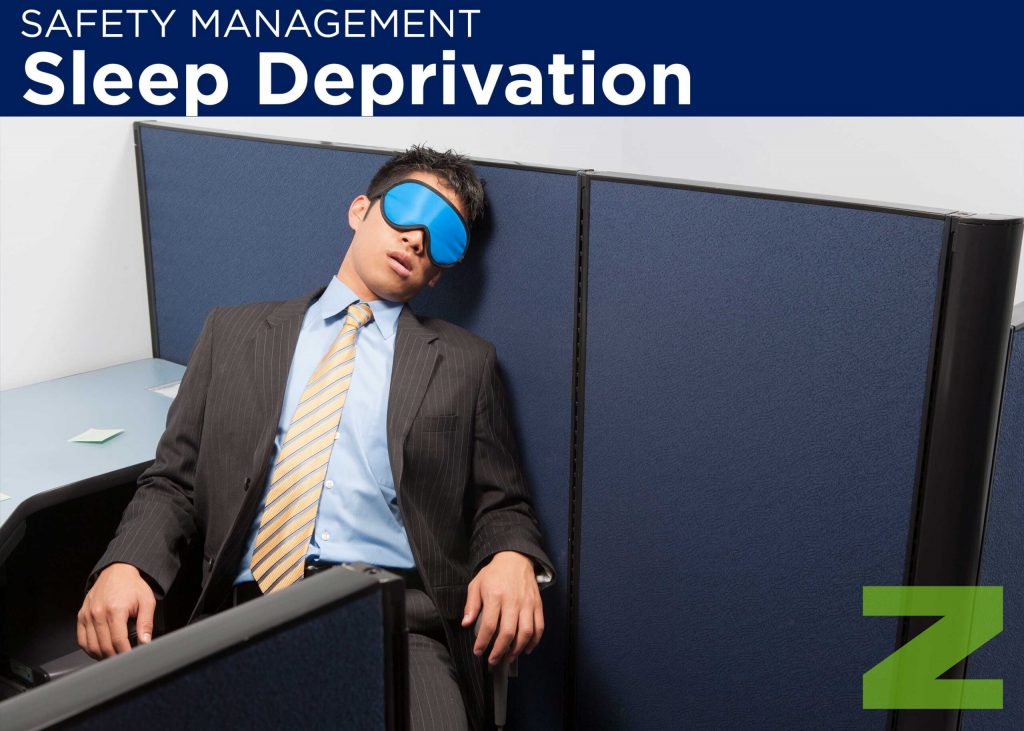
Sleep deprivation is a perennial risk – especially when your employees drive or operate machinery. Educate your people on ways to get enough rest and prevent fatigue related accidents. Here are some examples: 1. Stick to a sleep schedule 2. Don’t go to bed hungry or stuffed 3. Create a restful environment 4. Manage your […]
OSHA’s Drug Testing Policy Update
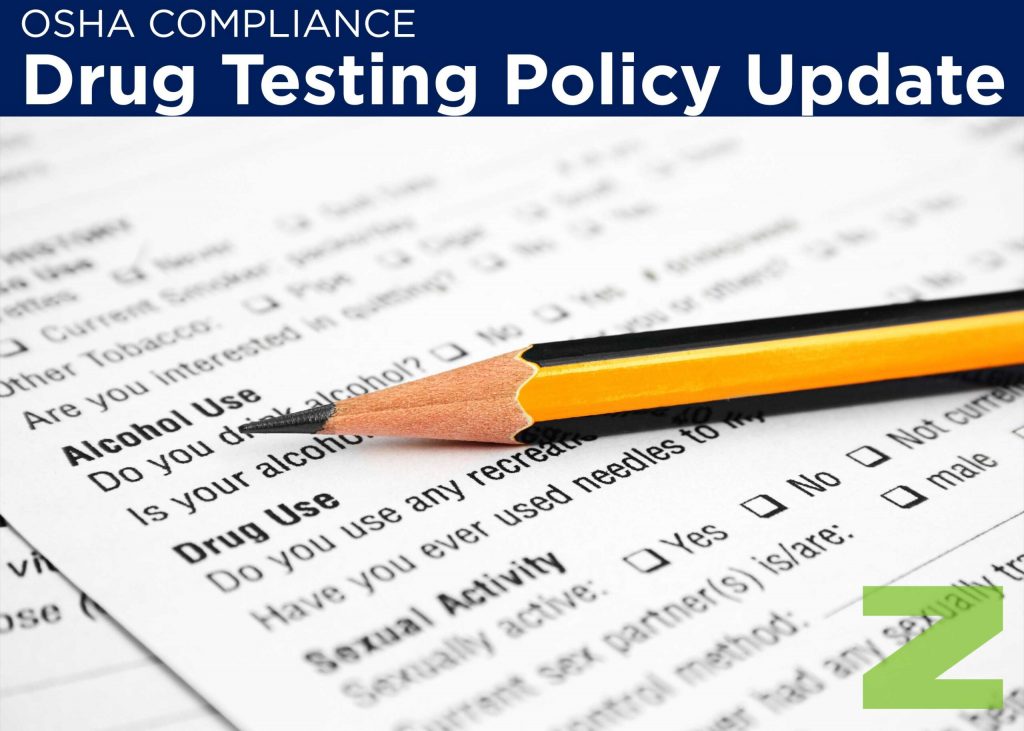
OSHA recently stated that blanket post-injury drug testing policies deter proper reporting, but that drug testing in compliance with state law requirements would not be prohibited. This new caveat has created a bit of confusion regarding when to test and how to document the reasons for doing so. We recommend you take a look at […]
OSHA Compliance: Tips for Safety Excellence

Here are some tips to up your OSHA game, moving from mere compliance to a greater focus on effective loss control and risk management: – What keeps management up at night? Where do they think injury and loss is most likely. Find out and start there. – Make sure all training is effective and practical, […]
Falls Safety Recap
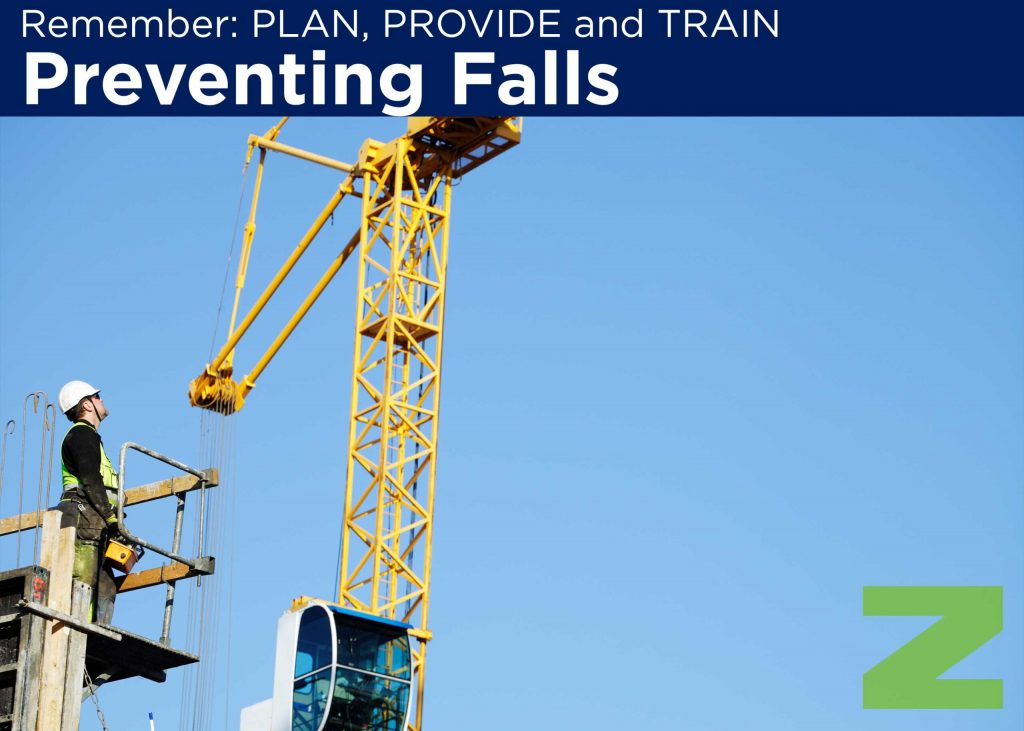
As a recap on our safety series on preventing falls on construction sites, the key take aways are to (1) plan ahead to get the job done safely. (2) Provide your workers with the right equipment. And (3) train everyone to use the equipment safely. When you think about that, those three simple steps are […]