
Key Takeaways: Building Complete Business Protection in Georgia
When running a business in Vidalia, Georgia, you need more than basic coverage to truly protect your investment. Here’s what every business owner should know about comprehensive business insurance:
- Comprehensive business insurance combines multiple coverage types into a complete protection package tailored to your specific industry risks
- Georgia businesses face unique challenges from severe weather, liability exposures, and regulatory requirements that require specialized coverage
- A properly structured insurance program can save money through bundled policies while eliminating dangerous coverage gaps
- Regular policy reviews and risk assessments ensure your protection evolves with your growing business
- Working with experienced local agents helps navigate Georgia’s insurance requirements and find cost-effective solutions
- The right comprehensive business insurance package protects not just your assets, but your ability to continue operations after unexpected events
Understanding What Comprehensive Business Insurance Really Means
Comprehensive business insurance isn’t just one policy—it’s a strategic approach to protecting every aspect of your company. Think of it as an umbrella that covers your property, people, profits, and potential liabilities under coordinated protection designed specifically for your business type and location.
In Vidalia, Georgia, we’ve seen too many businesses discover costly gaps in their coverage only after filing a claim. A restaurant owner might have general liability insurance but lack food spoilage coverage when the power goes out during a summer storm. A construction company could have workers’ compensation but miss the professional liability coverage needed when a project design issue causes delays.
True comprehensive business insurance addresses these vulnerabilities by examining your entire operation. We analyze your daily activities, seasonal patterns, employee roles, client relationships, and physical assets to build a protection strategy that anticipates problems before they happen. This approach has helped our clients in the construction industry avoid devastating gaps that could shut down their operations.
The foundation of any comprehensive business insurance program starts with understanding your specific risk profile. A retail shop in downtown Vidalia faces different challenges than a manufacturing facility in Dublin or a service business in Lyons. Weather patterns, local crime statistics, industry regulations, and even traffic patterns all influence what types of coverage you need and how much protection makes financial sense.
Essential Components Every Business Needs in Their Insurance Portfolio
Building comprehensive business insurance means including several core coverage types that work together seamlessly. Each component serves a specific purpose, but the real value comes from how they complement each other to eliminate gaps and overlaps.
General liability insurance forms the cornerstone of most business insurance programs. This coverage protects you when someone gets injured on your property, when your product or service causes damage, or when you’re accused of advertising injury. In Georgia’s litigious environment, general liability isn’t optional—it’s essential survival protection.
Commercial property insurance protects your physical assets including buildings, equipment, inventory, and furniture. But comprehensive coverage goes beyond basic replacement costs. You need business interruption coverage for lost income during repairs, extra expense coverage for temporary relocation costs, and equipment breakdown coverage for critical machinery failures.
Professional liability insurance becomes crucial for any business providing advice, services, or expertise. Even if you think your work is straightforward, clients can claim your recommendations caused financial harm. We’ve helped service businesses in Metter and Swainsboro navigate professional liability claims that could have bankrupted them without proper coverage.
Commercial auto insurance covers vehicles used for business purposes, but comprehensive programs include hired and non-owned auto coverage for employees driving their personal vehicles on company business. This gap has caught many Georgia businesses off guard when employees cause accidents during work-related errands.
Workers’ compensation insurance is legally required in Georgia for most businesses with employees. However, comprehensive coverage includes return-to-work programs, safety consulting, and claims management services that reduce your overall costs while protecting your team members.
Cyber Liability: The Modern Business Essential
Cyber liability insurance has evolved from a nice-to-have option to an absolute necessity for businesses of all sizes. Even small businesses in Vidalia handle sensitive customer information, process payments electronically, and depend on digital systems for daily operations.
A comprehensive cyber liability policy covers multiple scenarios that traditional business insurance excludes. Data breach response costs include notification requirements, credit monitoring for affected customers, legal fees, and regulatory fines. Business interruption from cyber attacks covers lost income when systems go down, while cyber extortion coverage handles ransomware demands.
The human element makes cyber coverage particularly important. Employee mistakes cause most data breaches—not sophisticated hackers. When a team member clicks a malicious link or accidentally sends customer information to the wrong email address, your cyber liability coverage responds immediately with breach response services and legal protection.
Social engineering coverage addresses increasingly common scams where criminals trick employees into transferring money or revealing sensitive information. These attacks target businesses specifically, using publicly available information to create convincing scenarios that bypass traditional security measures.
Industry-Specific Coverage Requirements in Georgia
Different industries face unique risks that require specialized insurance solutions. A comprehensive business insurance program must address these industry-specific exposures while maintaining cost-effective coverage levels.
Healthcare businesses need medical malpractice insurance, HIPAA violation coverage, and specialized cyber liability for patient records. Georgia’s healthcare regulations add complexity that requires experienced insurance guidance to navigate properly.
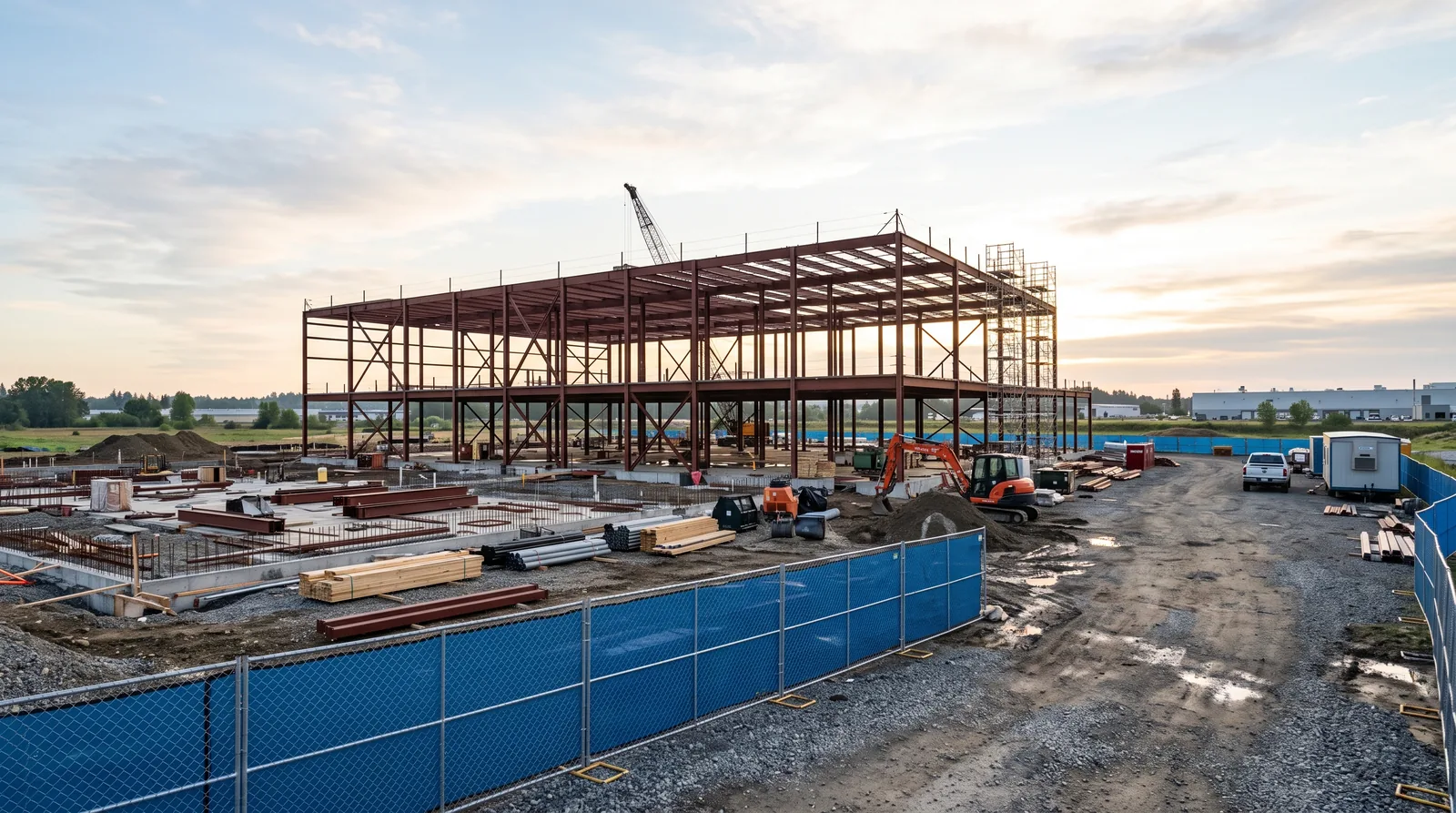
Construction companies require builders’ risk insurance for projects under construction, contractor’s equipment coverage for tools and machinery, and surety bonds for project guarantees. Weather-related delays in Georgia make completion bonds particularly important for construction projects. Our experience with construction planning challenges helps us design coverage that protects against both traditional and emerging risks.
Restaurants and food service businesses need liquor liability if they serve alcohol, food contamination coverage, and equipment breakdown protection for refrigeration systems. Power outages during Georgia’s storm season can cause thousands of dollars in spoiled inventory without proper coverage.
Retail businesses require product liability insurance, theft coverage, and seasonal inventory adjustments. Shopping patterns in smaller Georgia communities create unique inventory challenges that standard policies often don’t address adequately.
Transportation companies need motor truck cargo insurance, non-trucking liability, and occupational accident insurance for independent contractors. Georgia’s position as a logistics hub makes transportation insurance particularly complex with interstate commerce regulations.
The Financial Benefits of Comprehensive Coverage
Many business owners initially resist comprehensive business insurance because of perceived costs, but the financial benefits often outweigh the premium expenses significantly. Bundling multiple coverage types typically reduces overall costs compared to purchasing individual policies from different insurers.
Package policies eliminate duplicate coverage and reduce administrative overhead. Instead of managing separate renewals, claims processes, and agent relationships, you work with one team that understands your complete risk profile. This streamlined approach saves time and reduces the chance of coverage gaps during policy transitions.
Claims handling improves dramatically with comprehensive coverage from a single insurer. When multiple types of damage occur in one incident, you don’t navigate between different insurance companies with potentially conflicting interests. A single adjuster examines all aspects of your loss and coordinates repairs efficiently.
Risk management services often come included with comprehensive business insurance packages. Safety training programs, loss control inspections, and industry-specific guidance help prevent claims before they occur. These services typically cost thousands of dollars when purchased separately but come included with comprehensive coverage.
The financial protection extends beyond immediate claim payments. Business interruption coverage maintains your cash flow during repairs, while extra expense coverage handles increased costs for temporary operations. These benefits often make the difference between surviving a major loss and closing permanently.
Workers’ Compensation and Employee Protection Strategies
Workers’ compensation insurance provides just the starting point for comprehensive employee protection. Georgia businesses need additional coverage types to fully protect their workforce and avoid employment-related liability exposures.
Employment practices liability insurance protects against discrimination, harassment, and wrongful termination claims. Even small businesses with careful hiring practices face these exposures in today’s legal environment. Settlement costs and defense expenses can easily exceed $100,000 for employment practices claims.
Directors and officers liability insurance protects business leaders from personal liability for management decisions. This coverage has become essential even for small businesses as litigation targets business owners personally for company actions.
Key person life insurance protects your business when essential employees die or become disabled. This coverage provides funds to recruit replacements, cover lost revenue, and maintain operations during transitions. For family businesses in Georgia’s small communities, key person coverage often determines whether the business survives unexpected losses.
Group health insurance, while not traditional property and casualty coverage, integrates with comprehensive business insurance to attract quality employees and reduce workers’ compensation costs. Healthy employees file fewer workplace injury claims and maintain higher productivity levels. Our innovative approaches to safety training help businesses create comprehensive employee protection strategies.
Property Protection Beyond Basic Coverage
Commercial property insurance forms a critical component of comprehensive business insurance, but basic policies often include significant limitations that create problems during major losses. Georgia businesses need enhanced property coverage that addresses the state’s unique weather patterns and economic conditions.
Replacement cost coverage ensures you can rebuild with modern materials and methods rather than depreciated actual cash value. Building codes change frequently, and ordinance or law coverage pays for upgrades required by current regulations. Without this coverage, you might pay thousands out of pocket to meet modern building standards.
Business personal property coverage protects equipment, inventory, and furniture, but comprehensive policies include off-premises coverage for property temporarily away from your main location. This becomes particularly important for businesses that provide on-site services or store inventory in multiple locations.
Equipment breakdown coverage addresses mechanical and electrical failures that standard property policies exclude. Air conditioning failures during Georgia summers, computer system crashes, and machinery breakdowns can shut down operations even without fires or storms. This coverage pays for repairs and lost income during equipment failures.
Seasonal inventory fluctuations require reporting forms or peak season endorsements that automatically adjust coverage limits throughout the year. Many Georgia businesses experience significant seasonal variations that standard policies don’t accommodate properly.
Liability Protection in Today’s Legal Environment
Comprehensive business insurance must address the expanding liability exposures that modern businesses face. Traditional general liability policies provide basic protection, but today’s legal environment requires broader coverage approaches.
Product liability coverage protects manufacturers, distributors, and retailers when products cause injury or property damage. Even businesses that simply sell products manufactured by others face product liability exposures that require specialized coverage.
Professional liability insurance covers errors and omissions in professional services, but comprehensive policies include technology errors and omissions coverage for businesses that rely heavily on computer systems or provide technology-related services.
Social media liability coverage addresses claims arising from online marketing activities, employee social media use, and digital content creation. As businesses expand their online presence, these exposures continue growing in frequency and severity.
Environmental liability coverage protects against pollution claims and cleanup costs. Even businesses that don’t handle hazardous materials can face environmental claims from fuel spills, refrigerant leaks, or historical contamination discovered during renovations.
Building Your Risk Management Program
Comprehensive business insurance works most effectively when combined with proactive risk management strategies. Insurance transfers financial responsibility for losses, but risk management prevents losses from occurring in the first place.
Regular safety inspections identify potential hazards before they cause accidents. Many insurance companies provide loss control services that help businesses implement effective safety programs. These inspections often reveal problems that business owners overlook during daily operations.
Employee training programs reduce the likelihood of workplace accidents and improve overall business operations. Well-trained employees make fewer mistakes, follow safety procedures more consistently, and identify potential problems before they escalate into major issues.
Emergency response planning ensures your business can continue operating after unexpected events. Comprehensive business insurance covers financial losses, but emergency plans minimize business interruption and speed recovery processes. Having detailed emergency procedures can significantly reduce your claim costs and recovery time.
Regular policy reviews ensure your coverage keeps pace with business growth and changing risk exposures. Many businesses purchase comprehensive business insurance but fail to update their coverage as operations expand or change. Annual reviews with experienced agents help maintain appropriate protection levels. In situations where businesses face unexpected incidents like vehicle accidents, having proper coverage becomes critically important.
Cost Management Strategies for Comprehensive Coverage
Managing insurance costs while maintaining comprehensive protection requires strategic approaches that balance coverage needs with budget constraints. Several proven strategies help Georgia businesses achieve optimal protection at reasonable premium levels.
Deductible optimization can significantly reduce premium costs while maintaining comprehensive coverage. Higher deductibles lower premiums but increase out-of-pocket costs for smaller claims. The optimal deductible level depends on your cash flow capacity and historical claims frequency.
Risk improvement credits reward businesses that implement safety programs, security systems, and loss prevention measures. Many insurers offer substantial premium discounts for businesses that demonstrate commitment to reducing their risk exposures.
Policy timing strategies help businesses manage cash flow while maintaining continuous coverage. Some insurers offer installment payment plans or alternative premium payment schedules that align with seasonal revenue patterns.
Coverage limit analysis ensures you purchase appropriate protection levels without over-insuring. Many businesses either buy too much coverage for low-probability risks or insufficient coverage for high-severity exposures. Experienced agents help optimize coverage limits based on actual loss potential.
Claims management programs focus on controlling costs when losses occur rather than just transferring risk. Prompt reporting, effective vendor relationships, and proactive claims handling can reduce the total cost of losses significantly.
The Role of Regular Insurance Reviews
Comprehensive business insurance requires ongoing attention to remain effective as your business evolves. Annual insurance reviews ensure your coverage adapts to changing risk exposures, business growth, and market conditions.
Business growth often outpaces insurance coverage updates. Revenue increases, new locations, additional employees, and expanded services all create coverage needs that require policy adjustments. Without regular reviews, growing businesses frequently discover inadequate coverage limits during claim situations.
Industry changes affect risk exposures and coverage requirements. New regulations, technology developments, and market conditions create insurance needs that didn’t exist when you originally purchased coverage. Regular reviews help identify these emerging exposures.
Market conditions influence both coverage availability and premium costs. Insurance markets cycle between hard and soft conditions that affect what coverage types are available and at what costs. Experienced agents help navigate these market changes to maintain comprehensive protection.
Claims experience analysis reveals patterns that might require coverage adjustments or risk management improvements. Reviewing your loss history helps identify areas where additional coverage might be beneficial or where risk improvement efforts could reduce future claims.
Competitive analysis ensures you receive fair pricing and optimal coverage terms. Insurance markets change constantly, and carriers that provided the best value previously might not remain competitive. Regular market surveys help maintain cost-effective comprehensive coverage. When dealing with payment issues, businesses might benefit from understanding strategies for handling slow-paying contractors as part of their overall risk management approach.
Choosing the Right Insurance Partner in Vidalia
Selecting an insurance agency to handle your comprehensive business insurance requires careful evaluation of experience, service capabilities, and local market knowledge. The right partnership makes the difference between adequate coverage and truly comprehensive protection.
Local expertise matters significantly when building comprehensive business insurance programs. Agents familiar with Vidalia’s business community, weather patterns, and economic conditions can identify coverage needs that outside agents might overlook. Our 75 years of experience serving Georgia businesses provides insights that newer agencies simply cannot match.
Industry specialization helps ensure your comprehensive business insurance addresses the unique risks your business faces. Agents who understand your industry can recommend coverage options and limits that generic approaches miss entirely.
Service capabilities determine how effectively your insurance program performs when you need it most. Claims handling, risk management services, and ongoing policy management all require specialized expertise and resources that not all agencies provide.
Carrier relationships affect both coverage availability and premium costs. Agencies with strong insurer relationships can access specialized coverage types and negotiate better terms than agents with limited market access.
Technology platforms improve service delivery and policy management efficiency. Modern agencies use management systems that provide better communication, faster processing, and more accurate coverage tracking than traditional approaches.
Frequently Asked Questions About Comprehensive Business Insurance
What does comprehensive business insurance typically cost for small businesses?
Comprehensive business insurance costs vary significantly based on industry, location, business size, and coverage needs. Small businesses in Vidalia typically pay between $1,200 and $3,000 annually for basic comprehensive coverage, while larger operations or high-risk industries may pay $5,000 to $15,000 or more. The key is balancing coverage comprehensiveness with budget constraints through proper deductible selection and risk management practices.
How is comprehensive business insurance different from general liability insurance?
General liability insurance covers third-party injuries and property damage claims, while comprehensive business insurance includes multiple coverage types working together. Comprehensive coverage typically includes general liability, commercial property, commercial auto, workers’ compensation, and professional liability insurance bundled into coordinated protection. This approach eliminates coverage gaps and provides broader protection than individual policies purchased separately.
What industries benefit most from comprehensive business insurance?
All businesses benefit from comprehensive coverage, but certain industries find it particularly essential. Healthcare providers, construction companies, manufacturers, restaurants, and professional service firms face diverse risk exposures that require multiple coverage types. Businesses with employees, physical locations, vehicles, or professional service relationships typically need comprehensive protection to address their varied liability and property exposures adequately.
Can I add coverage types to my existing business insurance policy?
Most insurance companies allow you to add coverage types to existing policies, but the process depends on your current carrier and policy structure. Adding coverage mid-term might require underwriting review and could affect your premium payment schedule. Working with an experienced agent helps determine whether adding coverage to existing policies or restructuring your entire program provides better protection and value.
How often should I review my comprehensive business insurance coverage?
Annual policy reviews ensure your comprehensive business insurance keeps pace with changing business conditions and risk exposures. However, you should also review coverage whenever you experience significant business changes like expansion, new locations, additional employees, or new service offerings. Major industry developments or regulatory changes might also trigger the need for coverage reviews between annual renewals.
What happens if I have a claim that involves multiple types of coverage?
Comprehensive business insurance from a single carrier streamlines the claims process when losses involve multiple coverage types. One adjuster coordinates all aspects of your claim, reducing delays and potential conflicts between different insurance companies. This integrated approach typically results in faster claim resolution and more accurate coverage determinations than managing multiple policies from different carriers.
Does comprehensive business insurance include cyber liability coverage?
Some comprehensive business insurance packages include basic cyber liability coverage, while others offer it as an optional endorsement. Given the increasing frequency of cyber attacks and data breaches, most businesses should include dedicated cyber liability coverage in their comprehensive insurance program. The specific coverage terms and limits vary significantly between carriers and policy types, making professional guidance essential for adequate protection.
Protecting Your Business Investment with Zorn
Your business represents years of hard work, financial investment, and personal commitment. Comprehensive business insurance protects not just your physical assets, but your ability to continue serving customers and supporting employees when unexpected challenges arise.
At Zorn, we’ve spent 75 years helping businesses throughout Vidalia, Georgia and surrounding communities build comprehensive protection strategies that evolve with their growth and changing needs. Our unique risk analysis program identifies potential exposures that other agencies often miss, while our experienced team structures coverage that provides maximum protection at competitive costs.
Don’t leave your business vulnerable to coverage gaps that could threaten everything you’ve built. Our comprehensive business insurance solutions address the full spectrum of risks facing modern businesses, from traditional property and liability exposures to emerging cyber threats and employment practices issues.
Contact Zorn today at (912) 388-4838 or visit our website to schedule a comprehensive insurance review. Let our decades of experience and deep understanding of Georgia business risks help you build the protection your business deserves. When your success depends on being prepared for anything, trust the insurance professionals who’ve been protecting businesses like yours for over seven decades.