
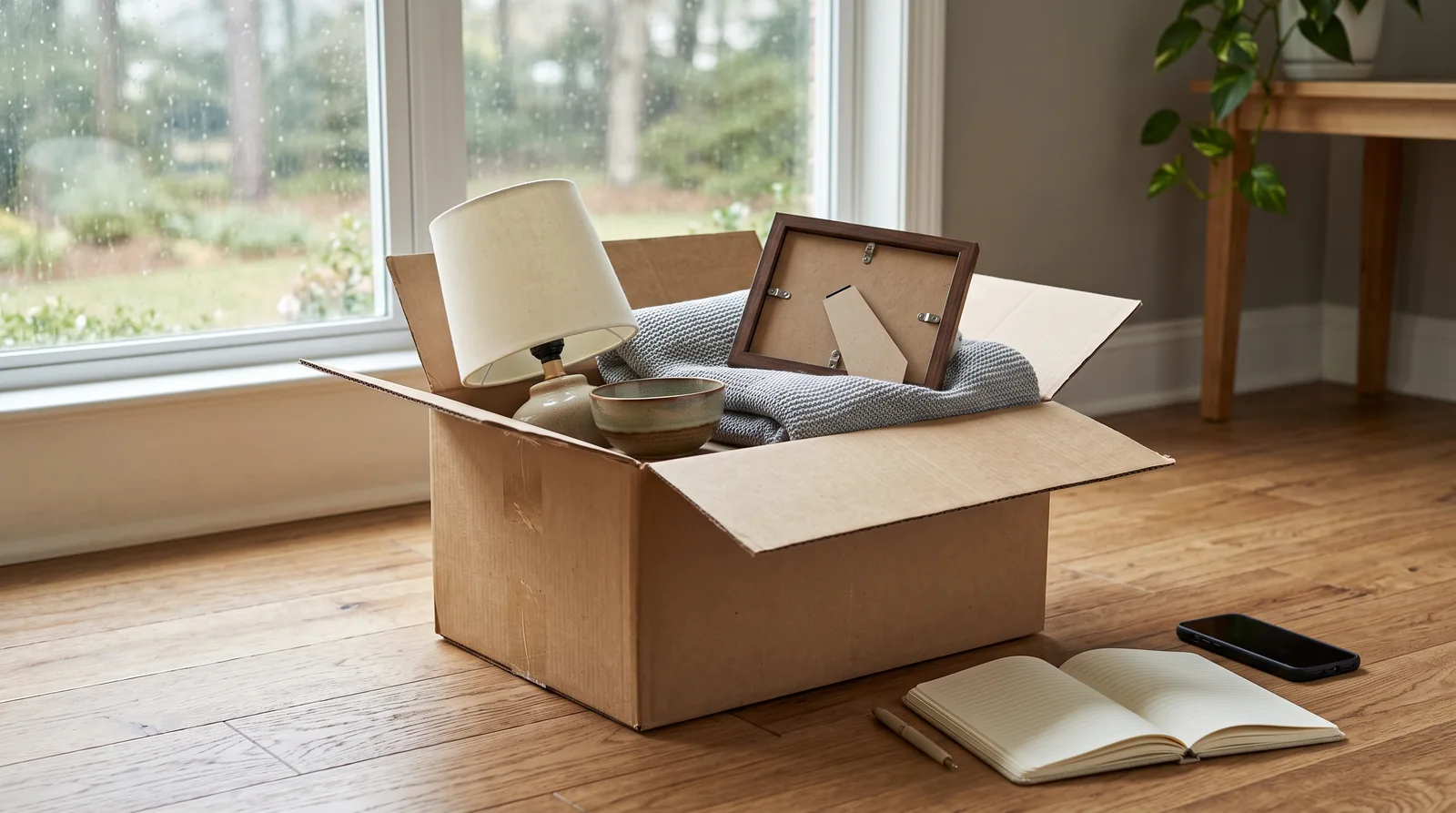
A home inventory is simply a usable record of what you own. Creating one before a storm, move or insurance conversation can make it easier to identify belongings and find the information you need later. You do not need a perfect spreadsheet to start; a room-by-room photo record and a few essential details are a practical first pass.
Zorn Insight helps homeowners in its established South Georgia service area with home insurance conversations. This checklist is general educational information, not a coverage determination or claims advice. Your policy, carrier and circumstances control what happens with any claim.
Start with the rooms that would be hardest to recreate from memory
Choose one room and capture a wide photo or short video, then take closer images of higher-value or less obvious belongings. A method you will actually maintain is more useful than an elaborate system you never finish.
The National Association of Insurance Commissioners notes that a home inventory can give an insurer information to help settle a claim and recommends organizing belongings by room or category. Its consumer resource also describes keeping photos with the item record.
What to record for each important item
- What it is: a plain description, such as “living-room television” or “grandmother’s dining table.”
- Where it is: the room, closet, garage or storage area where it is normally kept.
- Useful identifying details: make, model, serial number or distinguishing features when they are available.
- When and where you acquired it: add a receipt, confirmation email or photo when you have one. Do not delay the inventory because an older item has no receipt.
- Photos or video: capture the overall item and any identifying information that is safe to photograph.
Do not forget the easy-to-miss spaces
After the main living areas, work through closets, cabinets, the attic, garage, shed and any off-site storage. Photograph collections in groups first, then document individual items that need their own record. For jewelry, art, tools, electronics or other belongings where detail matters, write down what you know instead of relying on a wide room photo alone.
Keep the record available when your home is not
Save the inventory somewhere you can reach from another device. That might be a secure cloud folder, an inventory app or a shared household folder with appropriately limited access. Keep sensitive records protected; an inventory can include photos, receipts and information you would not want broadly shared.
Ready.gov includes “Document and Insure Your Property” and “Safeguard Critical Documents and Valuables” among its household-planning resources. Treat your inventory as one part of a broader household plan, alongside knowing how your family will communicate and where important records are kept.
Use the inventory to prepare better questions
Once the record is started, you can see where you need clarity. You may want to ask about belongings that are newly purchased, stored away from the home, regularly taken off the property or unusually valuable. Bring the inventory to a conversation with your insurance professional, but avoid assuming that a listed item is covered or that a photo establishes a value. The policy terms and claim facts matter.
Set a small review routine
Update the record after a move, renovation, major purchase or household change. A short reminder twice a year can be enough: walk through the home, add a few photos and remove items you no longer own. The goal is a current working record, not a one-time project.
Frequently asked questions
Do I need receipts for every item in a home inventory?
No. Start with photos, descriptions and any details you have. Receipts and confirmations can be useful when available, but missing paperwork should not stop you from documenting an older item.
Should I take photos or video for a home inventory?
Either can work. Wide photos or a short walkthrough video create a useful overview, while close photos can capture model numbers, labels and distinctive details. Use the format you are most likely to update.
Where should I keep my home inventory?
Keep it in a secure location you can access away from home, such as protected cloud storage or a reputable inventory tool. Limit sharing because the record may include sensitive household information.
Does a home inventory tell me what my policy covers?
No. An inventory records what you own; it does not determine coverage, limits, deductibles or claim outcomes. Review policy questions with your insurer or insurance professional.
When should I update a home inventory?
Update it after meaningful household changes, such as a move, renovation or major purchase. A brief scheduled review can help keep the record useful without making it a large recurring task.