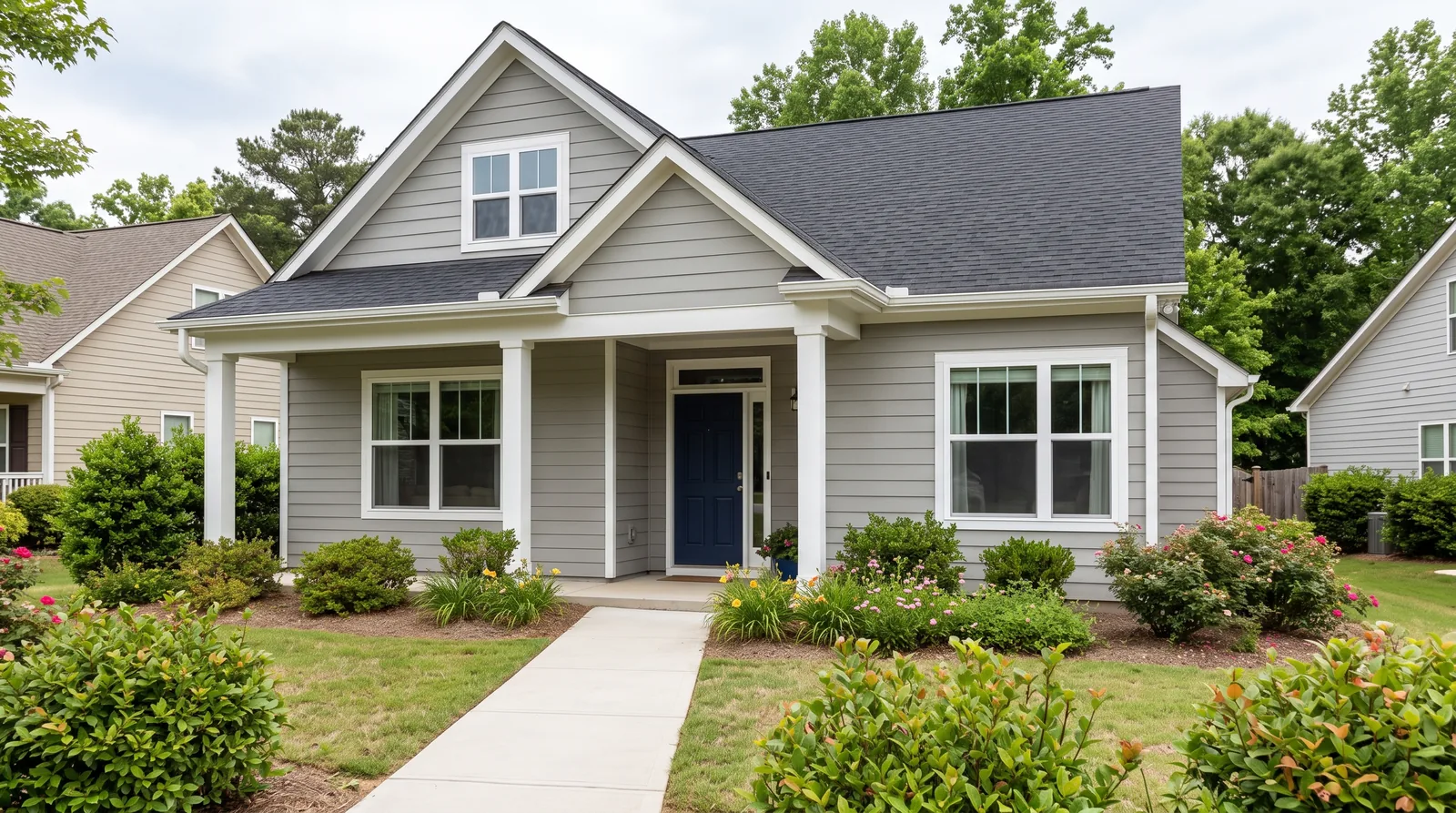
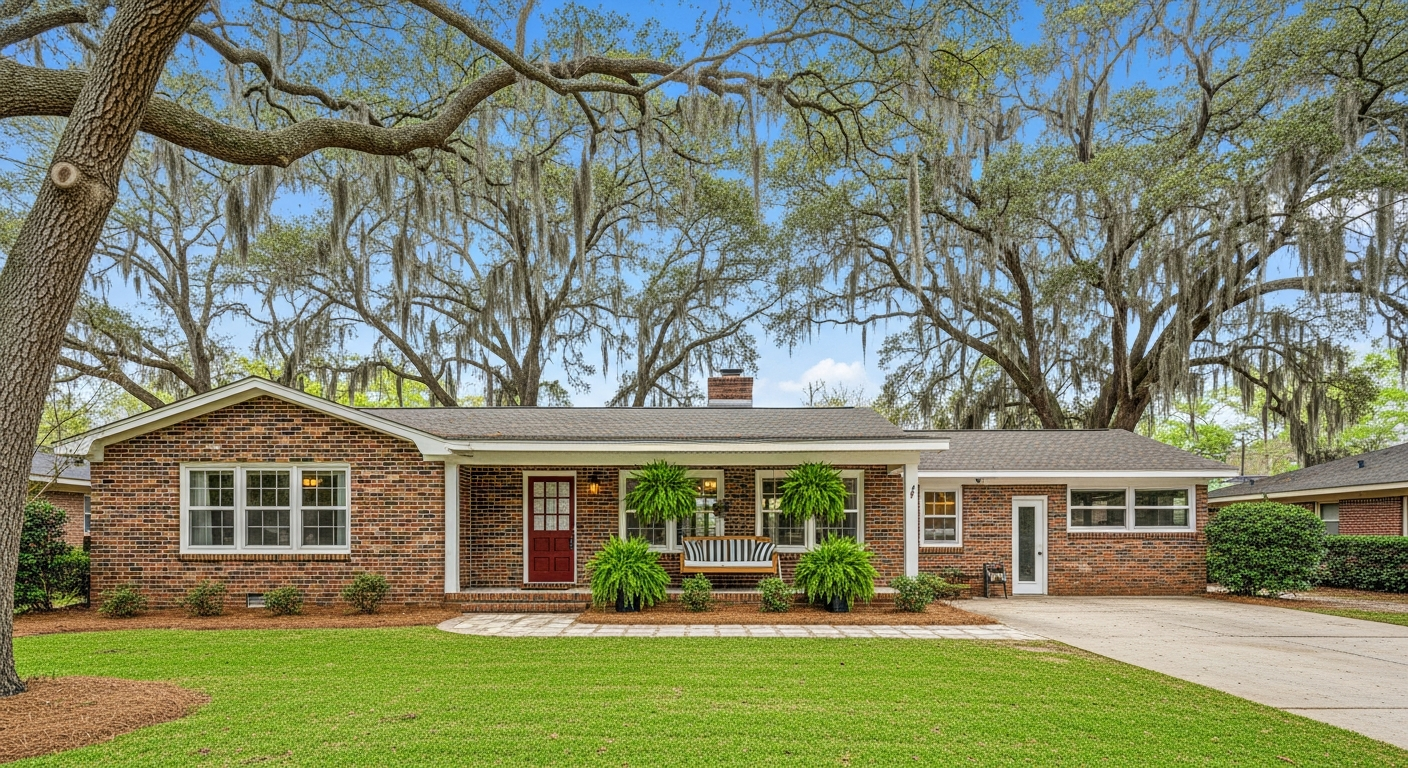
Zorn Insight, based in Vidalia, Georgia, provides home insurance services to families across South Georgia, including homeowners throughout Dublin, Laurens County, and the surrounding communities. Whether you’ve lived in Dublin your whole life or just put down roots in the area, protecting your home with the right coverage is one of the most important financial decisions you’ll make. This guide covers what home insurance actually covers, how much you can expect to pay, and how to make sure you’re not underinsured when it matters most.
What Does Home Insurance Cover in Dublin, GA?
Home insurance in Dublin, Georgia works the same way it does anywhere — but the local environment matters. South Georgia homes face specific risks: severe thunderstorms, tropical weather systems moving inland from the coast, and the occasional tornado. Your policy needs to account for all of it.
A standard homeowners insurance policy in Georgia typically includes:
Dwelling Coverage
This covers the physical structure of your home — the walls, roof, floors, foundation, and attached structures like a garage. If a storm damages your roof or a fire guts part of your house, dwelling coverage pays to repair or rebuild. The key is making sure your dwelling coverage limit reflects what it would actually cost to rebuild your home at today’s construction prices — not what you paid for it or what it’s worth on the market. Construction costs in Georgia have risen significantly in recent years. Many homeowners are underinsured without knowing it.
Personal Property Coverage
Your furniture, electronics, appliances, clothing, tools, and other personal belongings are covered if they’re damaged or stolen. Standard policies usually cover personal property at 50-70% of your dwelling limit. For high-value items — jewelry, collectibles, musical instruments — you may need a scheduled personal property endorsement to get full coverage.
Liability Protection
If someone is injured on your property and sues you, your liability coverage pays for legal defense and settlements up to your policy limit. This also covers damage you or family members accidentally cause to other people’s property. Most standard policies include $100,000 in liability coverage, but Zorn Insight recommends that homeowners in Dublin consider raising that limit to $300,000 or more — especially if you have a pool, trampoline, or frequently host guests.
Additional Living Expenses (ALE)
If your home is damaged and you can’t live in it while repairs are made, ALE coverage pays for temporary housing, meals, and other costs above your normal living expenses. This is one of those coverages you hope you never need — but you’ll be very glad you have it if a storm forces you out of your home for months.
Other Structures Coverage
Detached garages, sheds, fences, and other structures on your property are covered under this part of your policy, typically at 10% of your dwelling coverage limit.
What Home Insurance Does NOT Cover
Understanding the gaps in a standard home insurance policy is just as important as knowing what’s included. The most common exclusions Dublin homeowners run into:
Flood Damage
Standard home insurance policies do not cover flood damage. This is one of the most misunderstood facts in insurance. If the Oconee River overflows, if a heavy rainstorm overwhelms drainage in your neighborhood, or if your yard floods after a tropical system rolls through — your home insurance won’t cover the damage. Flood insurance is purchased separately through the National Flood Insurance Program (NFIP) or private flood insurance carriers. Dublin sits in a region that can experience significant rainfall events, and many homeowners in Laurens County are in or near flood zones. If you’re not sure about your property’s flood risk, FEMA’s flood map tool is a good starting point — but talking to a local agent is even better.
Earthquake Damage
Georgia has some seismic activity, but earthquakes are rare. Earthquake damage is not covered under standard home insurance and requires a separate endorsement if you want it.
Routine Maintenance and Wear
Home insurance covers sudden, accidental damage — not gradual deterioration. A roof that fails because it wasn’t maintained, a slow leak that causes mold over months, a foundation that shifts over years — those are maintenance issues, not insurance claims.
Termite and Pest Damage
Wood-destroying insects are a real concern in South Georgia’s warm, humid climate. Termite damage is excluded from virtually every standard home insurance policy. Termite bonds and separate pest coverage are the right tools for that risk.
How Much Does Home Insurance Cost in Dublin, Georgia?
Home insurance premiums in Dublin, GA depend on several factors specific to your home and situation. Here’s what drives your rate:
Key Factors That Affect Your Premium
- Home value and replacement cost: The more it would cost to rebuild your home, the higher your premium. Square footage, construction materials, and finishes all play a role.
- Age of the home: Older homes often cost more to insure because electrical systems, plumbing, and roofing may need updating. Many insurers will require a roof inspection or replacement on homes with older roofs.
- Roof condition and material: Your roof is one of the biggest cost drivers in home insurance. A newer roof with impact-resistant shingles can earn you a meaningful discount. An older roof — especially one over 15-20 years old — can significantly increase your premium or trigger a coverage restriction.
- Claims history: If you’ve filed multiple home insurance claims in recent years, expect to pay more. Too many claims can also make you harder to insure through standard carriers.
- Credit-based insurance score: Georgia allows insurers to use credit information as a rating factor. Improving your credit can lower your home insurance premium over time.
- Coverage limits and deductibles: Higher coverage limits mean higher premiums. Choosing a higher deductible lowers your premium but means you pay more out of pocket when you do file a claim.
- Discounts: Home security systems, smoke detectors, deadbolt locks, bundling home and auto insurance, and being claim-free can all earn you discounts.
In Zorn Insight’s experience working with South Georgia homeowners, the most common mistake is setting dwelling coverage too low to save on premiums — then discovering at claim time that the payout won’t cover a full rebuild. The smarter move is to set coverage correctly and look for legitimate discounts instead of cutting limits.
Home Insurance in Dublin: Local Considerations
Dublin is the county seat of Laurens County and home to about 16,000 residents. It’s a working community — agricultural roots, healthcare, manufacturing, and small business. The housing stock is a mix of older brick ranch homes, mid-century neighborhoods, and newer construction on the outskirts of town.
A few things worth knowing as a Dublin homeowner:
Weather Risk
Dublin sits far enough inland to be protected from direct hurricane landfalls, but South Georgia regularly sees the remnants of tropical systems — heavy rain, flooding, downed trees, and wind damage. Severe thunderstorm season runs spring through fall, and tornadoes are possible. Your dwelling coverage needs to be adequate for the realistic cost of storm damage repairs.
Nearby Communities and Coverage Area
Zorn Insight serves homeowners throughout Laurens County and the surrounding area, including Dexter, East Dublin, Rentz, and other communities near Dublin. If you’re just outside the city limits, the same coverage needs apply.
The Value of a Local Agent
National insurance carriers often don’t know the Dublin market the way a local agent does. They don’t know which neighborhoods are in flood zones. They don’t know the condition of local roofing contractors after a storm. They don’t know what rebuilding costs look like in South Georgia right now. A local agent who writes home insurance in Laurens County every day brings knowledge that an 800-number call center simply doesn’t have.
How to Choose the Right Home Insurance Policy
Shopping for home insurance in Dublin doesn’t have to be complicated. Here’s how to approach it:
Step 1: Know Your Replacement Cost
Before you do anything else, understand what it would cost to rebuild your home from scratch at today’s labor and material prices. This is your dwelling coverage floor. Your insurer may use a replacement cost estimator, but it’s worth having your own sense of the number. Underestimating this is the single most expensive mistake homeowners make.
Step 2: Take a Home Inventory
Walk through your home and document your belongings — photograph or video everything, note serial numbers on electronics, and keep records of high-value items. This makes a personal property claim much easier to process and ensures you’re covered for what you actually own.
Step 3: Ask About Flood Risk
Even if you don’t think you’re in a flood zone, ask. FEMA flood maps don’t capture every risk, and even low-to-moderate flood zones can see water damage in a bad storm event. Flood insurance is inexpensive if you’re not in a high-risk zone and worth every dollar if you are.
Step 4: Bundle and Save
If you have auto insurance, bundling your home and auto with the same carrier almost always produces a meaningful discount on both policies. Zorn Insight can review your personal insurance coverage as a whole — home, auto, and more — to find the right combination for your situation.
Step 5: Review Your Policy Every Year
Home values change. Renovation projects change your replacement cost. Your personal property collection grows. Your family situation evolves. A quick annual review with your agent ensures your coverage keeps up with your life.
Zorn Insight: Home Insurance Help in Dublin, GA
Zorn Insight is a local insurance and payroll agency based in Vidalia, Georgia, serving families and businesses throughout South Georgia. For homeowners in Dublin, we shop multiple carriers to find the right combination of coverage and price — and we make it easy to understand what you’re buying before you sign anything.
We also help with business insurance for Dublin’s small business owners, so if you own a business in Laurens County, we can help you protect both your home and your livelihood under one roof.
Ready to review your home insurance coverage? Reach out to us at:
Zorn Insight
603 W. First Street, Vidalia, GA 30474
📞 1-800-224-7951
Visit our home insurance page to learn more about what we offer, or stop by our Dublin, GA location page to see how we serve your area.
Q&A: Quick Answers for Dublin Homeowners
What does home insurance cover in Dublin, Georgia?
Home insurance in Dublin covers your home’s structure, personal belongings, liability if someone is injured on your property, and additional living expenses if you can’t stay in your home during repairs. It does not cover flood damage, which requires a separate flood insurance policy.
Does home insurance cover storm damage in South Georgia?
Yes — windstorm and hail damage from severe thunderstorms and tropical systems are typically covered under standard home insurance. Flooding from those same storms is not covered and requires separate flood insurance. Dublin homeowners should confirm their coverage includes named storm or hurricane deductibles if applicable.
How much does home insurance cost for a house in Dublin, GA?
Home insurance in Dublin, Georgia typically costs between $1,200 and $2,500 per year for a single-family home, depending on the home’s size, age, construction type, coverage limits, and claims history. Older homes with aging roofs or older electrical systems will often fall at the higher end of that range.
Frequently Asked Questions About Home Insurance in Dublin, GA
Is home insurance required in Georgia?
Georgia does not legally require homeowners insurance. However, if you have a mortgage on your home, your lender will almost certainly require it as a condition of the loan. Even if your home is paid off, going without insurance is a significant financial risk — most homeowners simply can’t afford to replace or repair their homes out of pocket after a major disaster.
What is the difference between actual cash value and replacement cost coverage?
Actual cash value (ACV) coverage pays out what your damaged property was worth at the time of the loss, accounting for depreciation. Replacement cost coverage pays what it actually costs to replace or repair the property at today’s prices, without deducting for depreciation. Replacement cost coverage costs more upfront but pays significantly more at claim time — especially on older homes and personal property. Zorn Insight recommends replacement cost coverage for most homeowners in Dublin.
Does home insurance cover a detached garage or workshop?
Yes — detached structures on your property, including garages, sheds, workshops, and fences, are covered under the “other structures” portion of your home insurance policy. This coverage is typically set at 10% of your dwelling limit. If you have a particularly valuable outbuilding, it’s worth discussing whether that 10% is adequate with your agent.
Will my home insurance cover theft of items from my car?
Items stolen from your vehicle are generally covered under the personal property portion of your home insurance policy, not your auto insurance. However, the stolen items must be yours (not the vehicle itself), and your deductible applies. If you regularly keep valuable tools, equipment, or electronics in your car, make sure your personal property coverage limit is high enough to cover them.
How do I file a home insurance claim in Georgia?
After a covered loss, document the damage thoroughly with photos or video before making any temporary repairs. Contact your insurance agent or carrier’s claims department as soon as possible — most carriers have 24/7 claims lines. Keep records of all communications, repair estimates, and receipts for any emergency expenses. If your claim is denied or disputed, Georgia homeowners have the right to request a review or file a complaint with the Georgia Department of Insurance.
Can I get home insurance if my roof is old?
Yes, but it may be more difficult or more expensive. Many insurers are hesitant to write new policies on homes with roofs over 15-20 years old, or they may limit coverage to actual cash value (depreciated) for the roof rather than full replacement cost. Some carriers will require a roof inspection before issuing a policy. If your roof is aging, it’s worth getting quotes from multiple carriers and having an honest conversation about whether a roof replacement makes financial sense before you shop for coverage.