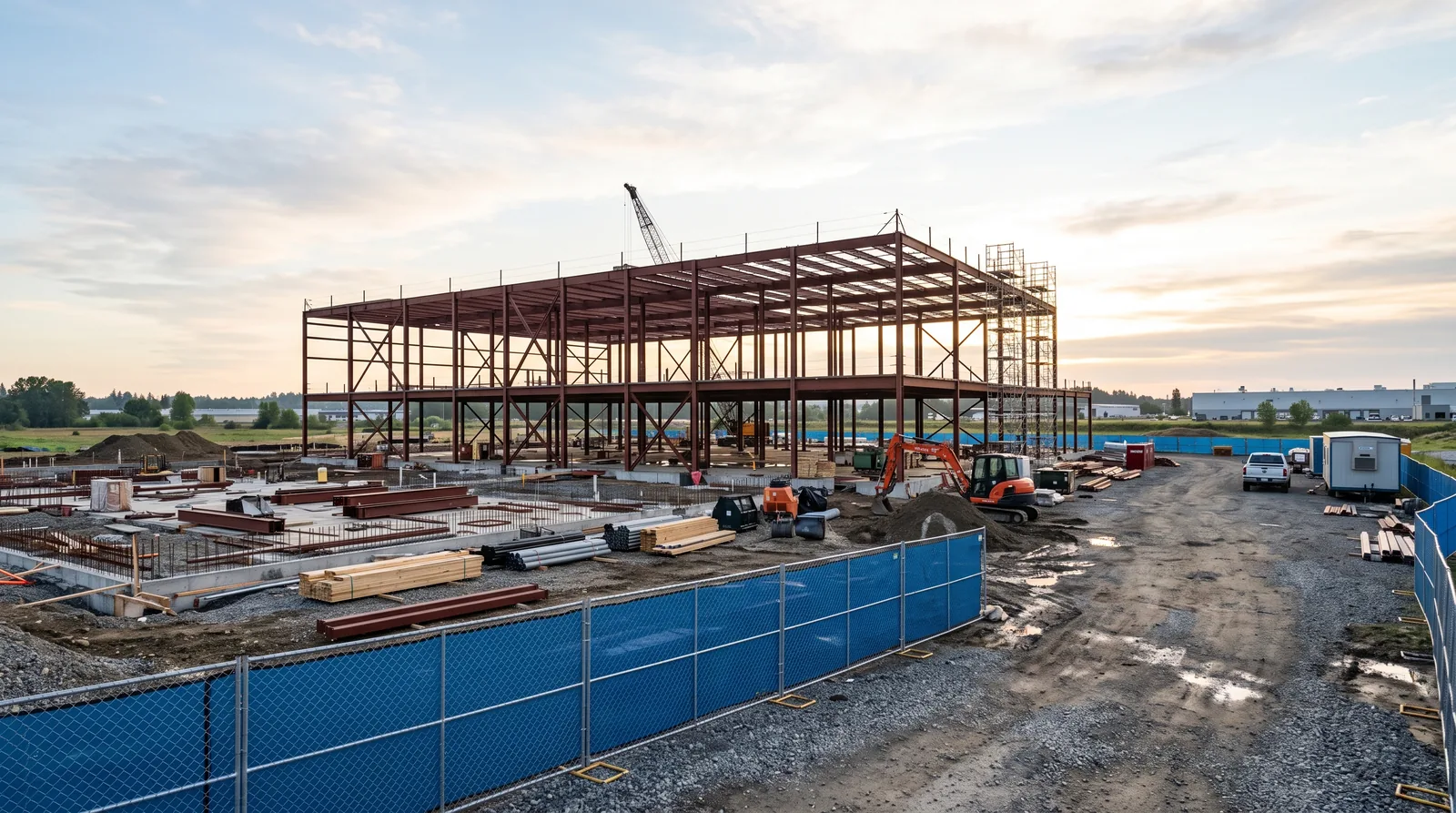

If a construction project is moving from a conversation to a bid, contract, or start date, an insurance review is easier when the project details are in one place. Before you ask an advisor to look at insurance-related requirements, gather the documents and operational details that describe the work. That gives everyone a clearer starting point and helps surface questions early.
This checklist is general information, not legal or coverage advice. A contract, policy, endorsement, certificate request, and carrier requirements must be reviewed on their own terms.
Start with the project brief
Put the basics in a short project brief before the first call or email. Include the project name, job location, customer or general-contractor contact, planned start and completion dates, and a plain-language description of the scope. If the scope changes, send the updated version rather than relying on an earlier conversation.
The U.S. Small Business Administration notes that insurance needs vary with a business’s risks. For a construction project, the useful next step is to describe the actual work rather than assume that one prior project is an exact match for another.
Gather the contract and insurance-request documents
Provide the current contract draft and any insurance schedule, bid instruction, certificate request, or owner/general-contractor email that describes what is being requested. Keep the original documents with the project brief instead of paraphrasing requirements from memory.
A checklist cannot determine whether a requirement is appropriate or satisfied. It can help you identify the questions that need a documented answer. If contract language needs interpretation, involve the appropriate legal and project professionals.
Describe the work, people, vehicles, and equipment
Organize the details that could change the conversation:
- the trades, tasks, and site conditions involved;
- which employees will be on the job and whether subcontractors are planned;
- company vehicles that will travel to or operate for the project;
- tools, equipment, rented items, and materials that may be stored or moved; and
- any work away from the main site, delivery activity, or customer-property access.
For vehicle questions, Zorn’s commercial auto insurance team can use a clear list of business-use vehicles and drivers as a starting point. For work that includes a bond request, keep the project documents together and review Zorn’s surety bonds service information before the conversation.
Bring your current insurance information
Have current policy documents, declarations, endorsements, and any prior certificates that relate to the project available for review. Note the policy dates and the carrier or contact listed on the documents. Do not rely on an old certificate or a verbal summary when a current document is needed.
It is also helpful to identify who needs an answer and by when: an owner, general contractor, lender, equipment lessor, or another project contact. Include the requested delivery method and deadline, but leave room for the advisor and carrier to confirm what can actually be provided.
Use a short question list
Before the review, write down the decisions you need help making. Useful questions include:
- Which project documents should be reviewed before we make a representation to the customer?
- What additional information does the carrier or advisor need?
- Who should receive the final documentation, and what deadline applies?
- What changes to the job should we report before work begins?
This is a planning step, not a guarantee of coverage or contract compliance. Zorn Insight can help Georgia contractors organize an insurance conversation around the project at hand. For a project-specific discussion, contact Zorn Insight with the project brief and source documents.
Frequently asked questions
When should a contractor prepare this project insurance handoff?
Prepare it before a bid, contract commitment, certificate request, or job start creates a deadline. Early preparation gives you time to share the actual project documents and ask follow-up questions rather than reconstructing details at the last minute.
Do I need to send the contract itself?
When a contract or insurance schedule contains the request you need reviewed, sending the current document is more reliable than summarizing it from memory. It lets the advisor identify questions, while legal or project professionals can address any interpretation that is outside an insurance discussion.
Can a checklist confirm that a project is covered?
No. A checklist only organizes the facts and documents for a review. Coverage depends on the applicable policy and its terms, conditions, endorsements, and carrier decisions. Do not treat a checklist, prior certificate, or verbal summary as confirmation for a specific project.
What should change after the first project review?
Update the brief when the scope, site, dates, vehicles, equipment, workforce, or requested documentation changes. Share the revised details promptly so the next conversation starts with the current version of the project rather than an outdated plan.
Source: U.S. Small Business Administration, Business Insurance. Zorn Insight provides business insurance, payroll, HR, and personal insurance services for Georgia businesses and individuals.