
A surety bond can look like one more piece of paperwork, but it does a real job: it protects consumers, businesses, and government entities across Georgia. You might be a contractor bidding on a project in Vidalia or a business owner who needs a license bond in Dublin. Either way, it helps to know what surety bonds are used for before a deadline arrives.
A surety bond is a three-party agreement. The principal (you or your business) promises to meet certain obligations. The obligee (often a government agency or project owner) is the party the bond protects. The surety is the company that backs the promise. If the principal does not do what it agreed to, the obligee can make a claim on the bond. The surety expects the principal to pay back any amount it pays out. Georgia construction, professional licensing, courts, and many other areas use these bonds.
Quick Answer: Surety bonds are used for licensing requirements, construction projects, court proceedings, and contract guarantees. The required bond amount is set by the contract, the court, or the agency that requires the bond. The surety sets the premium after underwriting. Zorn Insight can help Georgia businesses talk through their bond needs.
Key Takeaways
-
Surety bonds protect consumers and governments by guaranteeing performance or compliance
-
Many licenses, permits, and public contracts in Georgia call for a bond
-
Contract bonds (bid, performance, payment) are required on certain public construction projects above set dollar thresholds
-
License and permit bonds help make sure businesses follow regulations and ethical standards
-
Court bonds provide financial protection during legal proceedings and appeals
-
Premiums are set by the surety after underwriting, based on the bond and the applicant
What Are Contract Surety Bonds Used For in Construction?
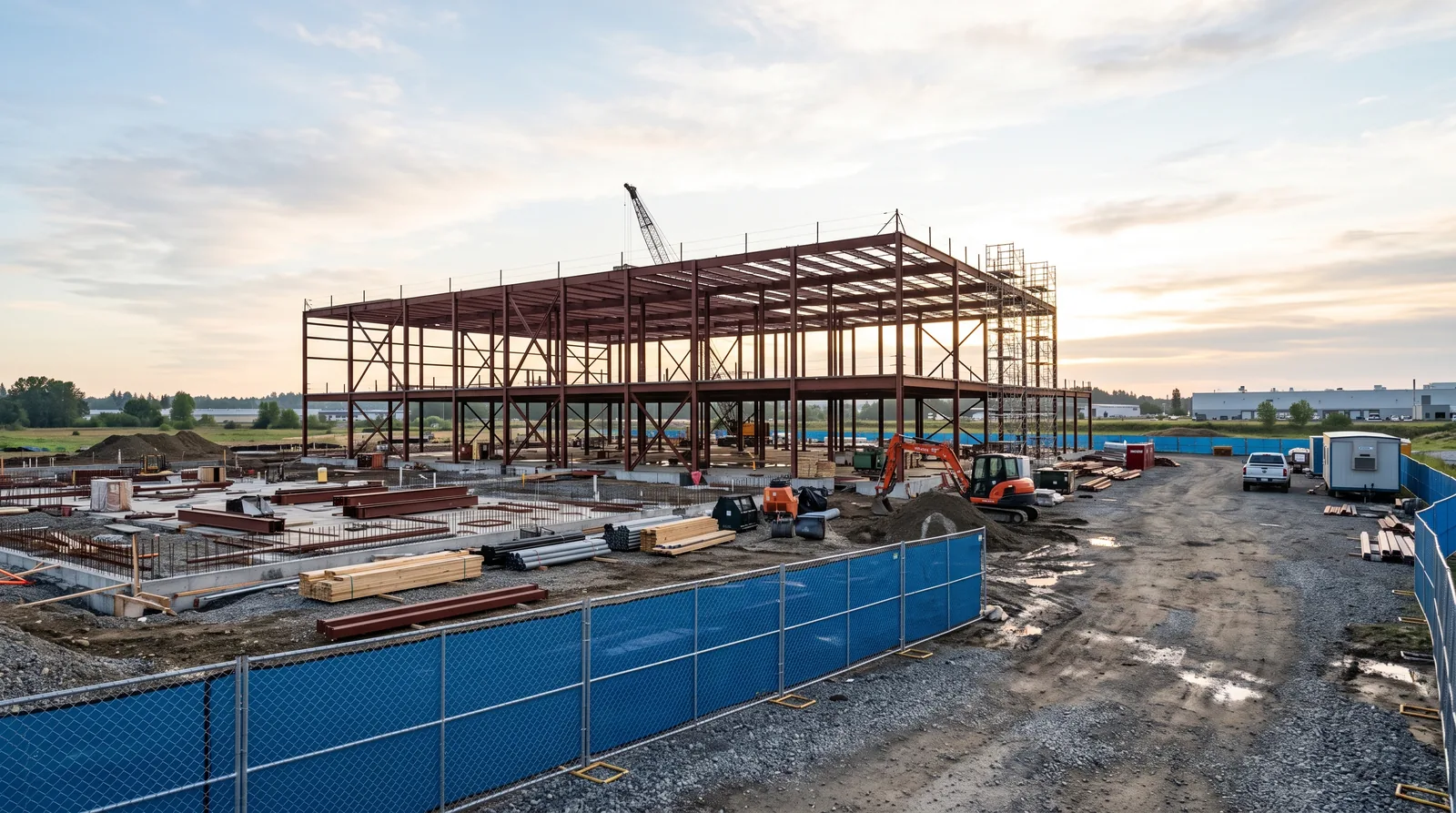
Contract surety bonds help get construction projects finished as agreed and help make sure the people who supply labor and materials get paid. Public projects across Georgia often require them, including work in Vidalia, Georgia and surrounding counties. The Georgia Department of Administrative Services Insurance and Bonding Guidelines (SPD-SP048, August 2025) say Georgia law requires bid, performance, and payment bonds for certain state construction contracts. The statutes are O.C.G.A. 13-10-20 and 13-10-21 for bid bonds, 13-10-40 and 13-10-41 for performance bonds, and 13-10-60 for payment bonds. For some types of contracts, such as building construction, certain surety bonds are required by statute if the contract amount is above $100,000.
Performance bonds protect the project owner from loss if the contractor fails to perform under the contract. Say your company wins a bid to renovate a courthouse in Lyons or build infrastructure in Dublin. A performance bond protects the owner if you can’t finish the job. On federal work, FAR 28.102-1 explains that federal law (40 U.S.C. chapter 31, subchapter III, formerly the Miller Act) requires performance and payment bonds for any federal construction contract over $150,000. Under FAR 28.102-2, the performance bond and the payment bond on those contracts generally must each equal 100 percent of the original contract price, unless the contracting officer decides otherwise.
Payment bonds protect certain providers of labor and material, such as subcontractors and suppliers. Without one, a subcontractor installing electrical systems in a new Metter facility could go unpaid if the general contractor defaults. On Georgia state work, payment bonds are among the bonds the statutes above require for certain contracts.
Bid bonds go in with construction proposals. They guarantee that the bidder will enter into the contract at the price bid. The bid documents set the bond amount. Bid bonds are common on competitive public projects.
Supply bonds guarantee that a material supplier will deliver products according to contract specifications and timelines. A lumber supplier providing materials for a housing development in Soperton might be asked for one.
Small businesses that have trouble getting bonded may want to know about the U.S. Small Business Administration surety bond program. Through participating surety companies, SBA can guarantee bid, performance, payment, and ancillary bonds for eligible small businesses.
When Are License and Permit Bonds Required?
Licensing agencies and local governments use license and permit bonds to protect the public from unethical business practices or regulatory violations. The bond gives harmed consumers a way to recover money if a business doesn’t follow the rules that come with its license. Requirements depend on your business type and where you operate.
Contractor license bonds are among the most common. Requirements can differ by trade and jurisdiction, so an electrical contractor in Hazlehurst may face different requirements than a plumber in Reidsville. The licensing agency or local government sets the amount. These bonds protect consumers who hire contractors, backing the contractor’s duty to follow codes and meet their obligations.
Other businesses may need a license bond as a condition of their license. Examples can include vehicle dealers and some financial service businesses, such as debt collectors, mortgage brokers, or money transmitters, depending on the licensing rules that apply. These bonds protect consumers from financial harm caused by business misconduct. The agency that issues the license sets the bond amount.
Public official bonds protect taxpayers from misconduct by elected and appointed officials. Officials such as clerks, tax collectors, and treasurers may carry these bonds to guarantee they perform their duties faithfully. If an official misuses public money, the bond can repay the public, and the surety can seek recovery from the official.
How Do Court Bonds Protect Legal Proceedings?
Court bonds are financial guarantees used in legal proceedings. They protect parties from loss while a case moves through Georgia’s courts. The court, or the law that applies to the case, sets the bond amount.
Appeal bonds let a party appeal a court decision while protecting the winning party’s interests. If a business loses a lawsuit in Vidalia and wants to appeal, the court may require a bond so the other side can still collect if the judgment stands.
Probate bonds protect estate assets while an executor or administrator manages the estate. They protect beneficiaries from mismanagement or theft during the probate process.
Guardian bonds protect minors and incapacitated adults when a court appoints someone to manage their affairs. The bond backs the guardian’s duty to act in the ward’s best interest.
Injunction bonds protect a defendant from damages caused by a temporary restraining order or preliminary injunction that later turns out to be wrongful. Replevin bonds let a plaintiff recover personal property before trial and protect the defendant if the seizure turns out to be unjustified.
What Are Fidelity Bonds Used For in Business Protection?
Fidelity bonds work a little differently from surety bonds and are often confused with them. The DOAS guidelines describe fidelity bonds as protection against loss from a dishonest act or crime by an employee. Businesses in Dublin, Georgia and across the state use them to address internal theft and fraud.
Employee dishonesty bonds protect a business from theft, fraud, or embezzlement by employees. A retail store in Metter with several employees handling cash is one example of a business that might consider this coverage.
ERISA bonds protect employee benefit plans. According to the U.S. Department of Labor, people who handle funds or property of an employee benefit plan generally must be bonded for at least 10% of the funds they handle. The minimum is $1,000, and in most cases the maximum required amount is $500,000 per plan ($1,000,000 for plans that hold employer securities).
Crime coverage can be broader, covering risks such as employee theft, forgery, and computer fraud. Business service bonds are used by companies that work in customers’ homes or businesses, such as cleaning, security, and maintenance providers. They give customers a way to recover money if an employee steals or causes covered damage.
How Do Different Bond Types Protect Various Stakeholders?
Each bond type addresses a different risk, but the three-party structure stays the same. The bond protects someone other than the business that buys it.
Commercial surety bonds protect consumers and regulators from business misconduct or unmet obligations. When a contractor in Swainsboro, Georgia gets a license bond, it protects the homeowners who hire that contractor.
Customs bonds protect the federal government when importers bring in foreign goods, backing payment of duties and fees. Subdivision bonds guarantee that a developer will complete required improvements such as roads, water systems, and storm drainage. They protect taxpayers if a developer abandons a project.
| Bond type | What it does | Who it protects | Where the amount comes from |
|---|---|---|---|
| Bid bond | Guarantees the bidder will enter the contract at the price bid | Project owner | The bid documents |
| Performance bond | Protects the owner from loss if the contractor fails to perform | Project owner | The contract (100% of the original contract price on federal contracts over $150,000, per FAR 28.102-2) |
| Payment bond | Protects certain providers of labor and material | Subcontractors and suppliers | The contract (100% of the original contract price on federal contracts over $150,000, per FAR 28.102-2) |
| License and permit bond | Backs compliance with licensing rules and regulations | Consumers and government | The licensing agency or local government |
| Court bond (appeal, probate, guardian) | Guarantees obligations during legal proceedings | Judgment winners, beneficiaries, wards | The court |
| Fidelity / ERISA bond | Protects against loss from employee dishonesty or crime | The business or the benefit plan | For ERISA plans, at least 10% of funds handled (DOL) |
Preparing for a Bond Conversation
If you have a bid, performance, or payment bond coming up, a little preparation can make your first conversation more useful. Underwriting criteria vary between surety companies. Treat the questions below as things to think through ahead of time, not as a list of requirements.
- Your financial picture: Do you have recent business financial statements on hand? Sureties often look at overall financial strength, not just a credit score.
- Credit and reputation: Is there anything in your credit history you’d want to explain up front?
- Experience and track record: What kinds of projects has your company completed, and how long have you worked in your trade?
- The project itself: What are the contract terms, the specifications, and the contract value for the job you’re going after?
- Collateral: Have you thought about whether collateral might come up?
- Future work: Are you planning to take on larger or more frequent bonded projects? If so, bonding capacity may be worth raising early.
It’s also worth asking whether the contract calls for a maintenance bond. Some projects use one to back the contractor’s commitment to fix construction defects and meet warranty obligations for a set period after the work is done.
Zorn Insight works with construction contractors across South and Central Georgia, so if you’d like to talk through your next project, you can request a surety bond consultation.
Frequently Asked Questions
What’s the difference between surety bonds and insurance?
Insurance protects the policyholder from losses they might suffer. A surety bond protects a third party if the bonded party fails to perform. With insurance, the insurance company covers your covered losses. With a surety bond, you are guaranteeing your own performance, and the surety expects you to pay it back if it pays a claim. Think of insurance as protection for yourself and a bond as a guarantee you give to others.
How much do surety bonds cost in Georgia?
The surety sets the premium after underwriting. The premium depends on the bond type, the bond amount, and the applicant’s financial picture, credit, and experience. Because these factors differ for every business and bond, the best way to learn the cost is to ask for a quote on the specific bond you need.
Can anyone get a surety bond?
Approval is not guaranteed. The DOAS guidelines note that surety companies underwrite applicants by examining managerial and financial ability. Sureties also commonly look at credit history and experience. Depending on what underwriting finds, a surety may ask for more information or other conditions, or may decline the bond. Eligible small businesses may also want to look into the SBA surety bond program.
What happens if someone makes a claim against my bond?
The surety looks into the claim to see whether it is valid. If it is, the surety may pay the claimant up to the bond amount. The surety may then seek to recover the amounts it paid from you, the principal. This is different from insurance, where the insurer absorbs covered losses. Claims can also affect your ability to get bonds in the future.
How long do surety bonds last?
It depends on the requirement and bond type. License bonds often renew on a schedule while you hold the license. Contract bonds generally stay in place for the project and any period the contract specifies. Court bonds may last until the proceeding ends. Some bonds have a set term, while others continue until they are cancelled with proper notice.
Do I need collateral for a surety bond?
The surety decides whether to require collateral, based on its underwriting. Some sureties may ask for collateral, such as a cash deposit or letter of credit, depending on the bond and the applicant’s financial picture. If you are asked for collateral, ask the surety what it requires and why.
Talk Through Your Bond Needs
Zorn Insight is an independent insurance agency in Vidalia that works with businesses across Georgia, including Lyons and Dublin, on surety bonds. You can learn more on our surety bonds page, or contact us to talk through the bond your contract, court, or licensing agency requires.